Welcome to
the blog!
When children suffer from an anxiety disorder the threat detector in their brain is on overdrive and more and more they rely on their parents to protect and soothe them. And while parents have the best intentions, this interpersonal dance can actually serve to increase the severity and frequency of anxiety in children.
Dr. Eli Lebowitz of the Yale Child Study Center has pioneered a new treatment that interrupts that dance! By altering the way parents respond to their child when they are in distress, rather than fueling the flames of anxiety, parents are able to lessen the symptoms, all without asking their child to change his or her behavior in any way.
read the full post ⟶

featured post

When we teach our young children to slow down, to notice their emotions, then equip them with tools for navigating their tricky feelings like disappointment, impatience, boredom, sadness, or anger, we lay the foundation for a kinder and more empathetic society.
keep reading ⟶

It can be difficult and scary to talk about death as adults, so having to do so with our kids can cause us to freeze up and shut down. But by being open and honest about death, an inevitable part of life, we lay the groundwork our children need to develop the tools to process loss and work through feelings of grief and pain.
keep reading ⟶
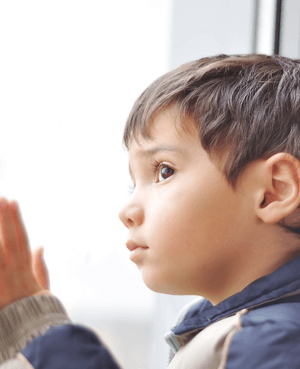
There can be many reasons why children may experience prolonged separations from a parent. From planned separations like for military families or when one parent must take a job far away, to unplanned situations in the case of mental illness, substance abuse or abandonment. Here to offer insight on this subject is Dr. Emily Upshur.
keep reading ⟶