Welcome to
the blog!
Secure attachment with yourself starts with how you respond to your own emotions. In this expert interview, psychologist Dr. Marisa G. Franco explores self-worth, insecure patterns, memory reconsolidation, and why becoming “secure-ish” can help parents show up with more compassion and confidence.
read the full post ⟶

featured post

Picky eating and child nutrition can feel overwhelming in a world of food rules and scary headlines. In this expert interview, registered dietitian Jennifer Anderson shares what actually matters, from protein and fiber to food dyes, picky eating, play, and building a healthy relationship with food.
keep reading ⟶
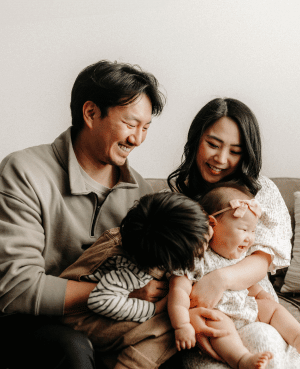
Gentle parenting with boundaries helps children feel understood without putting every emotion in charge. In this expert interview, Dr. Siggie Cohen explains how parents can validate feelings, hold firm limits, reduce over-accommodation, and become the calm, confident leaders their children need.
keep reading ⟶

Secure attachment without a secure childhood is possible. In this five-year anniversary episode, attachment researcher Dr. Miriam Steele explains how attachment patterns form, how they pass between generations, and how reflection, repair, and good-enough parenting can help parents break cycles.
keep reading ⟶