Welcome to
the blog!
Does your child get overwhelmed in noisy spaces, resist certain clothes, or worry when plans change? Dr. Sarah and Dr. Rebecca Hershberg explore where anxiety and sensory sensitivities overlap, how to tell when to seek help, and strategies for supporting your child’s nervous system.
read the full post ⟶

featured post
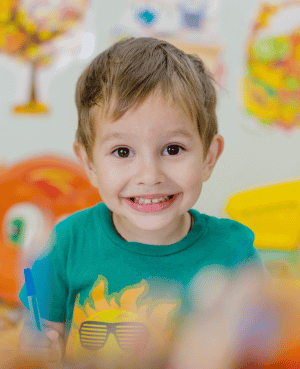
Neuroscientist Dr. Kristen Lindquist joins Dr. Sarah to explore how children develop emotional regulation—and how parents can support that growth. Discover practical, science-backed strategies to build your child’s emotional literacy, resilience, and coping skills without overwhelming them.
keep reading ⟶

Worried about how your surgery might affect your toddler? Learn how to prepare your child for temporary physical limitations and changes to your routine in a developmentally appropriate, non-scary way—while supporting emotional connection and your own healing.
keep reading ⟶

Explore how to reconnect with your partner after kids in this podcast with Chelsea Skaggs. Learn practical strategies to overcome disconnection, navigate mismatched energy, and foster deeper intimacy using nervous system regulation and communication tools for a stronger romantic relationship.
keep reading ⟶